Stick to Recovery App Prototype
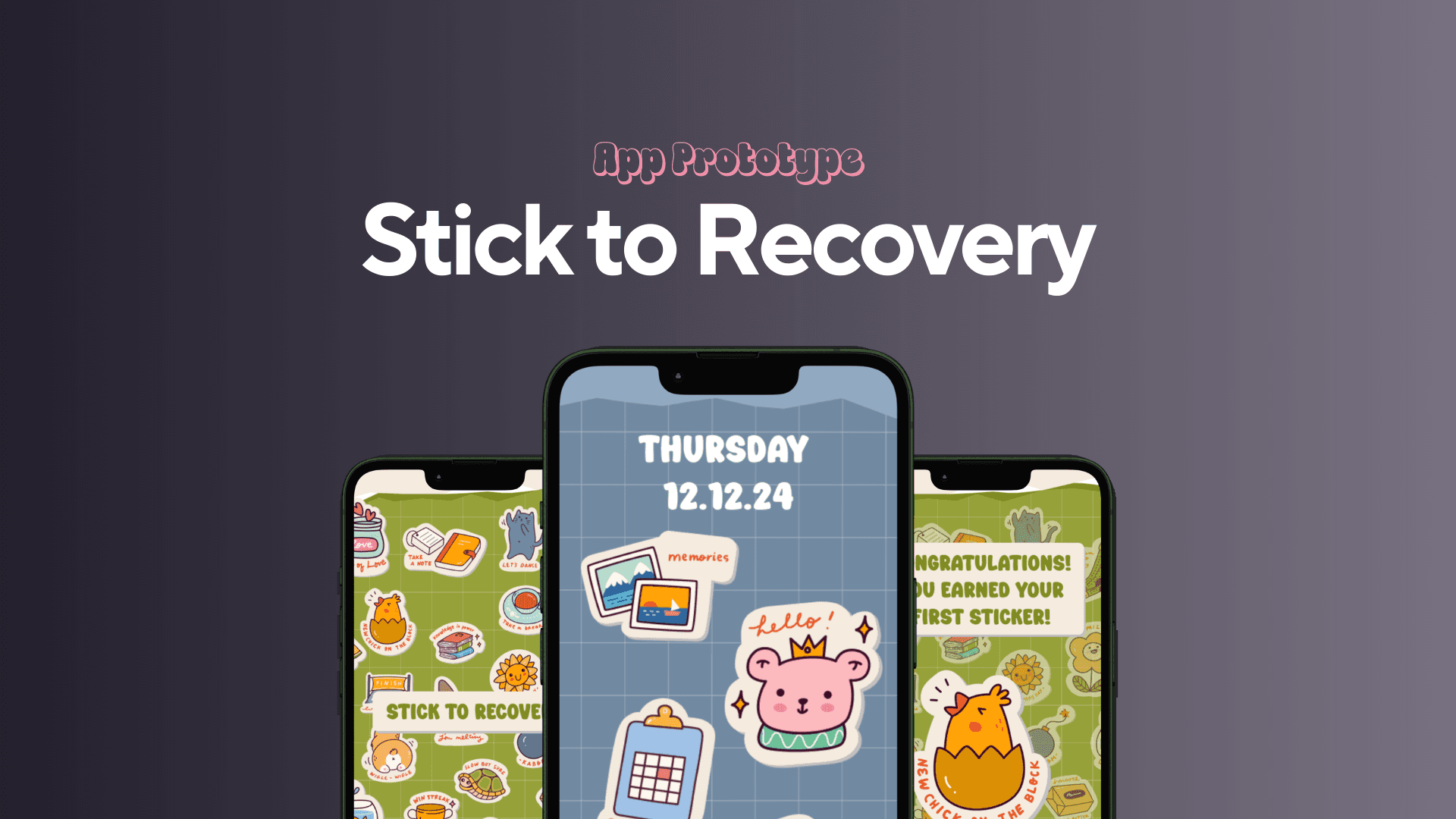
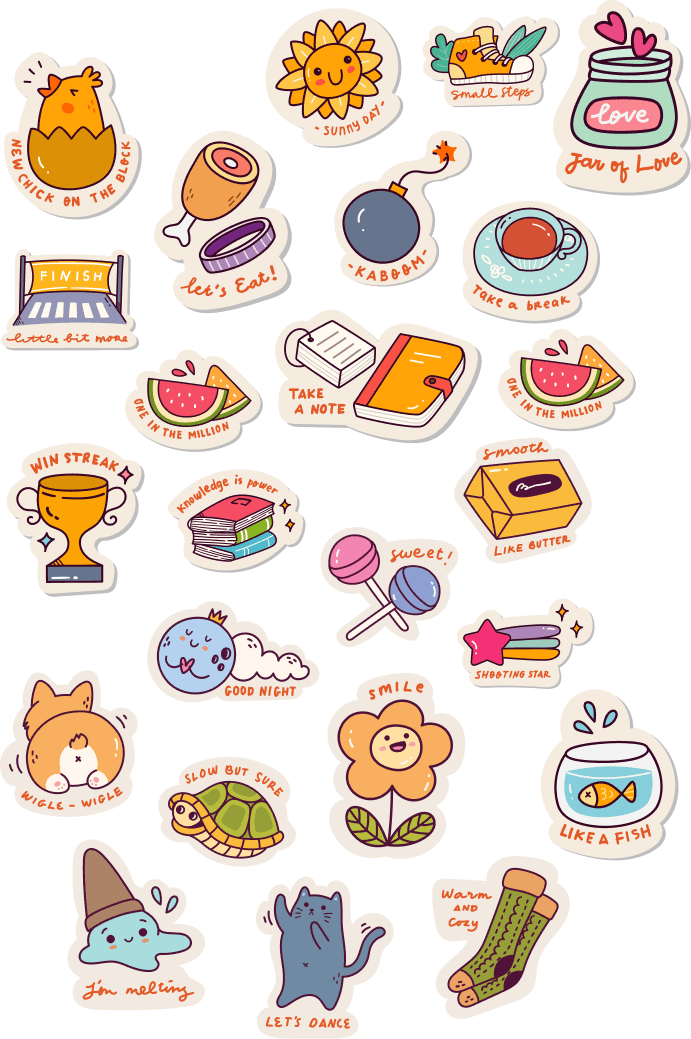
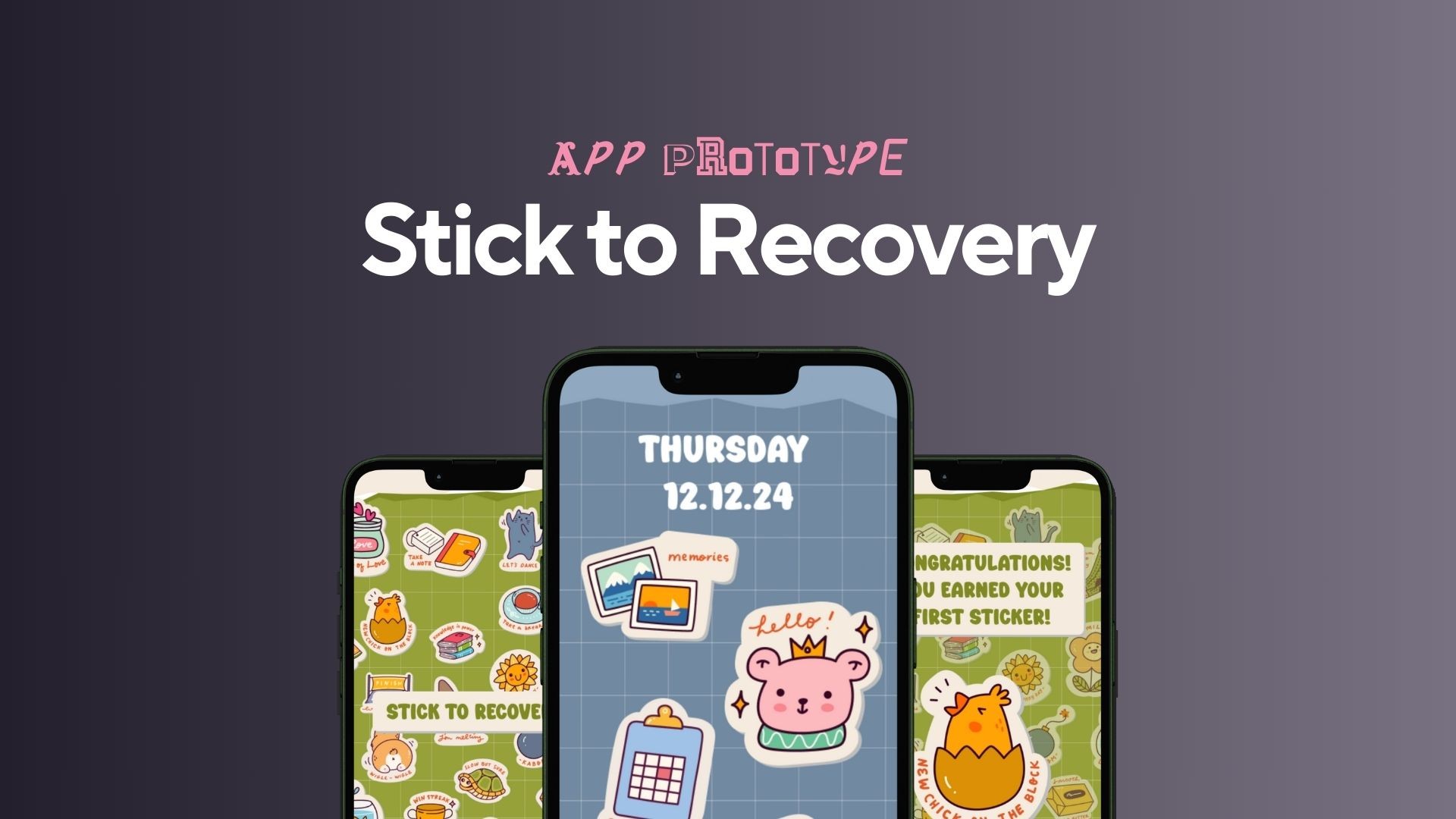
Stick to Recovery is a habit-tracking app designed to help athletes stay consistent with their recovery routines by turning daily practices into a fun and rewarding experience. The app uses gamification to build consistency, allowing users to earn digital stickers for an in-app sticker book when they complete recovery activities or challenges.
Created during my final semester of college, this 4-week school project was developed collaboratively with a partner. I led the concept development, visual design, and Figma prototyping—including animations—while also presenting the final prototype to our class. Tools used included Figma, Procreate, and Adobe Illustrator.
Client
Technical Communication and Information Design Class Project
Service Provided
Concept Development, User Journey Mapping, Wireframes, Branding Design, Interactive Figma Prototype, Presentation Materials
The Process
After landing on the idea, I immediately jumped into low-fidelity design work—starting with the opening screen and sticker book layout. I created a rough user flow and pulled visual references from Pinterest to define a playful, motivating aesthetic. From there, I built a basic brand outline to guide the UI and created the first draft of the prototype. I was responsible for all core design work, including UI screens, custom visual assets, branding elements, animations, and the full interactive prototype in Figma. I used Adobe Illustrator and Procreate to craft illustrations and icons, and Figma for both screen design and built-in animations. Working under a tight 4-week timeline with only one class session per week, I faced challenges balancing design execution with peer collaboration. My partner was new to Figma, so I focused on guiding her through the platform and assigning simple support tasks. She took on the creation of the final presentation deck and provided valuable feedback during user testing, particularly on usability and flow. Despite the limitations, we were able to prototype the core experience of Stick to Recovery and present a clear, cohesive vision for a fun and functional recovery-tracking app.
1
The Challenge
As athletes, my partner and I shared a common frustration: we had structured plans for our training, but our recovery routines, equally important for progress, lacked consistency and structure. We both struggled to stay on track with stretching, mobility, icing, or rest protocols. That realization sparked the idea for Stick to Recovery. Unlike training, which often includes coaches, programs, or accountability tools, recovery tends to fall on the athlete to self-manage and that often leads to inconsistency. Yet recovery is crucial: it directly impacts performance, injury prevention, and long-term gains. We saw an opportunity to make recovery both easier and more enjoyable through habit-building and gamification. Stick to Recovery was designed for athletes of all levels, high school, college, and recreational, who need a system that encourages consistent recovery practices. My personal goal was to grow my app design skills, experiment with motion and interaction in Figma, and ultimately create something that I would use myself.
2
Research & Discovery
While we didn’t conduct formal user research, we leaned into our own experiences as athletes and gathered informal feedback from peers to validate the concept. Most responded enthusiastically, confirming the need for a recovery-specific tool and expressing interest in an app that made the process more engaging. We explored popular apps and games that use challenge-based systems and visual rewards to motivate behavior. While we couldn’t find a direct competitor focused on recovery tracking with gamification, we drew inspiration from beloved games like Animal Crossing to understand what makes digital rewards satisfying. This guided our decision to use collectible stickers and a digital sticker book as the core reward system, combining fun, visual progression, and nostalgia to keep users coming back.
3
Final Deliverables
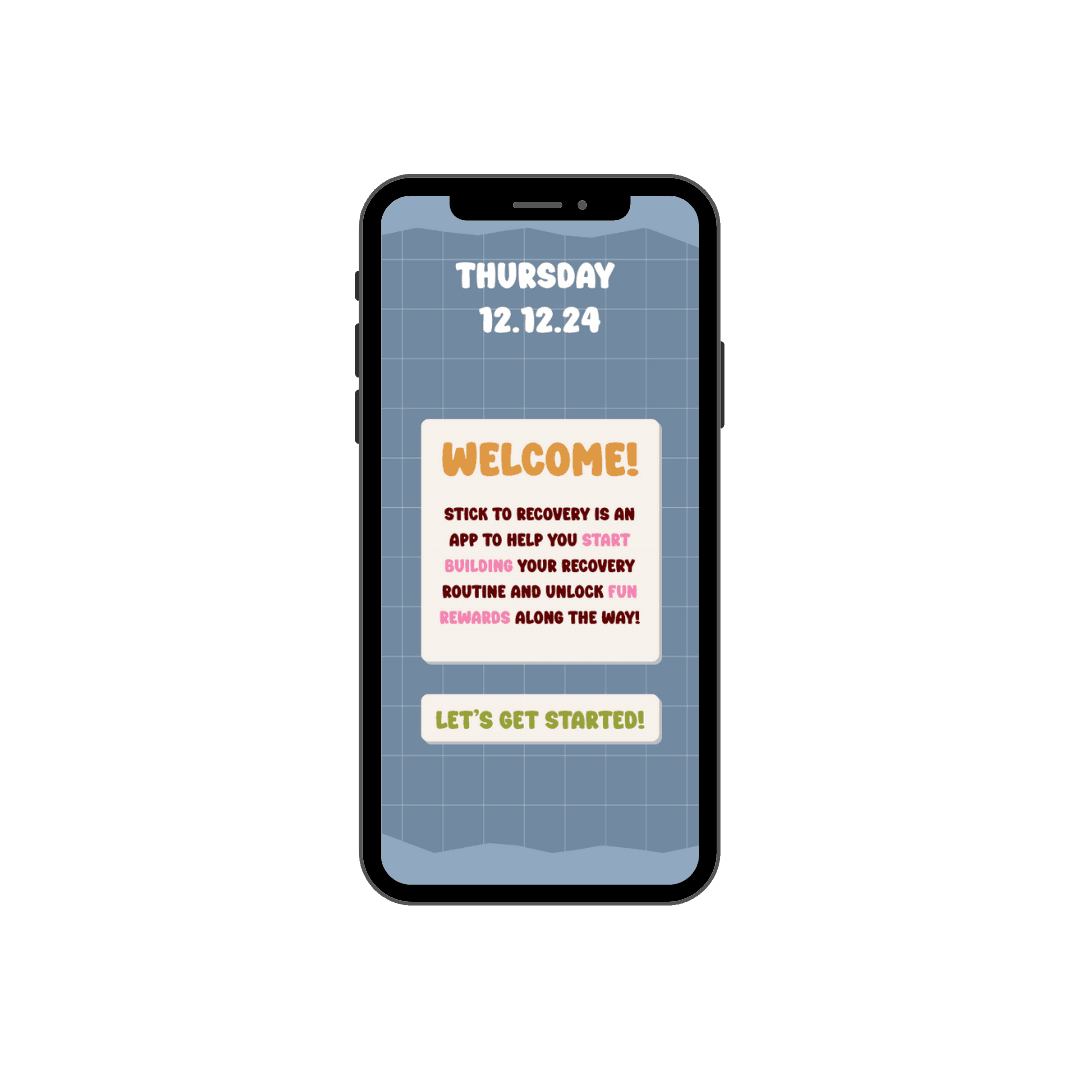
By the end of the four weeks, our project included a fully developed high-fidelity prototype of Stick to Recovery, a brand concept with custom visual assets, and a presentation deck to showcase the product vision. Final deliverables included: - A clickable [Figma prototype link] (placeholder) - Custom-designed sticker illustrations and sticker book interface - A soft, encouraging brand aesthetic built to appeal to athletes of all levels - A short onboarding animation to introduce the concept - Presentation slides explaining the user flow, purpose, and visual system One of the elements I’m most proud of is the intro animation, which sets a playful and engaging tone right from the start, as well as the full suite of original sticker illustrations, each designed to make daily recovery tasks feel satisfying and rewarding.
4
Outcome & Results
Our presentation of Stick to Recovery was well received by both classmates and our professor. The prototype clearly resonated, sparking enthusiasm, curiosity, and a stream of new feature suggestions. Many peers offered ideas for challenges, sticker expansions, and additional tracking capabilities, which showed us that the concept not only made sense but also inspired creativity in others. One of my biggest takeaways from the project was recognizing how tight the timeline truly was. While I’m proud of the work we accomplished, I learned the importance of better planning and time-blocking for projects with multiple visual and interactive components. There was more I wanted to include in the prototype, and I now have a clearer sense of how to scope future projects based on the time and tools available.
5
Reflection
Stick to Recovery pushed me to balance creativity and execution within a condensed timeline. This project strengthened my confidence in leading a solo design build—from concept to high-fidelity prototype, while also allowing me to experiment with illustration, animation, and gamified UX patterns. It was a great opportunity to deepen my Figma animation skills and learn how to bring delight and reward into product design. The positive reception and feedback confirmed that the idea had potential, and that I was capable of designing something people not only understood but wanted to use. Most of all, this project reminded me how important planning and time management are to successful design execution. Even with limited resources, I was able to build a working prototype with thoughtful interactions and custom visuals, but with better scoping upfront, I could have taken it even further.
6
Recent Designs